Walmart CEO John Furner told customers the company will not use their personal data to charge them more, even as rising fuel costs put new pressure on grocery prices nationwide.
"We don't set different prices based on who you are or the time of day, and we won't," Furner wrote in a letter posted on Walmart's website in September. "Your income, shopping history, urgency or what we think you could pay won't change the price."
The pledge matters for Sandy Springs shoppers already stretched by inflation. Consumer prices have risen more than 29% over the past six years, according to the Wall Street Journal. Walmart holds 20.3% of U.S. grocery sales, according to data from consumer analytics firm Numerator, as Business Insider reported. With roughly 90% of Americans living within 10 miles of a Walmart or Sam's Club, according to the company, price changes there ripple through household budgets fast.
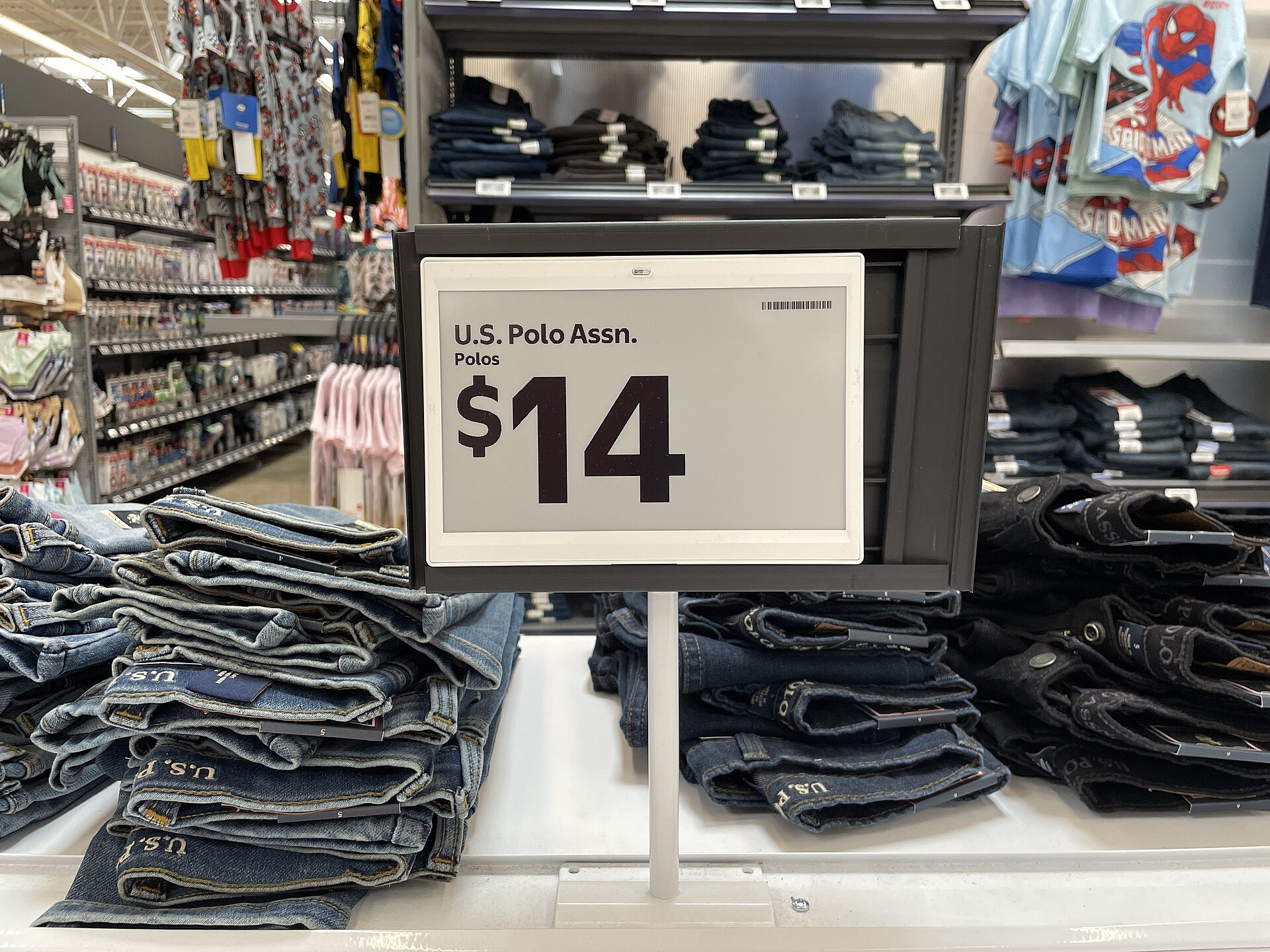
Furner's statement came after months of consumer anxiety over Walmart's new digital shelf labels and a pair of patents that critics said could enable personalized or surge pricing. Walmart said the digital labels replace paper price tags, do not contain cameras or microphones and display prices set through a centralized system. Price updates generally happen outside regular shopping hours, the company said on its corporate pricing page.
The company's pricing overview states that prices are set centrally, with data-science models assisting within established guardrails and associate review required before changes take effect.
Fuel costs cloud the picture
Walmart had planned to funnel much of a $2.9 billion tariff refund into lower prices for shoppers. But rising diesel costs may erase that benefit entirely, according to a Deutsche Bank analyst note following a meeting with Walmart CFO John David Rainey, as Business Insider reported. The company expects an additional half to one percentage point of inflation in 2027 from elevated fuel costs, the note said.
A Walmart spokesperson told Business Insider the company is "not immune to sustained increases in fuel and transportation costs" but works to minimize their impact. The spokesperson added that many current discounts are time-bound, and their expiration should not be seen as a broad price increase.
Deutsche Bank analysts noted that competing retailers are also raising prices in similar categories, leaving Walmart with a relative low-price advantage. The bank upgraded its rating of Walmart's stock.
Kroger bets $5 billion on lower prices
The pricing battle has a new front. Kroger CEO Greg Foran, who previously ran Walmart's U.S. business, is steering the grocer toward everyday low prices and away from its traditional cycle of temporary sales. At an Oct. 20 investor update, Kroger CFO David Kennerley said a "$5 billion investment in customer value is the largest single driver in this plan, and it is entirely self-funded," Yahoo Finance reported.
Kroger's annual profit fell 62% in 2025 from the prior year to $1.01 billion, the Wall Street Journal reported. Citi analyst Paul Lejuez estimated Walmart prices remain 5% to 20% lower on average than Kroger's, according to the Journal.
Foran took the CEO role in February and has visited more than 100 of Kroger's roughly 2,700 stores. He told analysts that less than half were in very good condition. "We have to be relentless on cost," Foran said. "Every dollar we take out is a dollar we can reinvest in areas customers will see."
States crack down on surveillance pricing
Consumer worry has also drawn legislative attention. New Jersey on July 23 became the third state, after Maryland and Connecticut, to ban surveillance pricing for groceries, with penalties of up to $50,000 per violation, according to the law firm Holland & Knight. More than 40 surveillance pricing bills are pending across two dozen states, the firm reported.
The Federal Trade Commission this summer issued a proposed enforcement policy targeting deceptive or unfair personalized pricing, the Wall Street Journal reported.
Walmart's next quarterly earnings will show whether diesel-driven cost increases have started reaching store shelves.