Sandy Springs residents facing felony charges tied to addiction or mental health in Fulton County now have access to two courts carrying the state's highest accountability court designation.
The Behavioral Health Treatment Court and the Recovery Treatment Court were named Model Courts by the Council of Accountability Court Judges (CACJ), Fulton County Superior Court announced Tuesday, Sept. 8. The designation means both courts met or exceeded Georgia's strict certification standards after what the court called years of strong performance.
Three Fulton courts now hold the title.
The county's Veterans Treatment Court earned the same distinction in 2024, making it the first Fulton County accountability court to receive the honor. Together, the three programs give the county one of the largest clusters of Model Courts in the state.
For Sandy Springs and other Fulton County communities, the accountability courts offer an alternative to standard sentencing for people charged with felonies who struggle with substance abuse or mental health conditions. The programs provide court-supervised treatment and structured sessions across an 18-month track, according to a January 2025 Fulton County Government news release. That release also noted treatment courts are widely recognized as the most effective method for reducing addiction, crime and recidivism while saving taxpayer dollars.
Fulton County's accountability courts divert thousands of people each year from the county's criminal dockets, which are the busiest in Georgia, according to the Sept. 8 announcement.
"Strong accountability courts make communities safer," Chief Judge Ural Glanville said in the announcement. "This recognition signals that we are delivering effective, evidence-based responses that reduce recidivism, support recovery, and strengthen Fulton County."
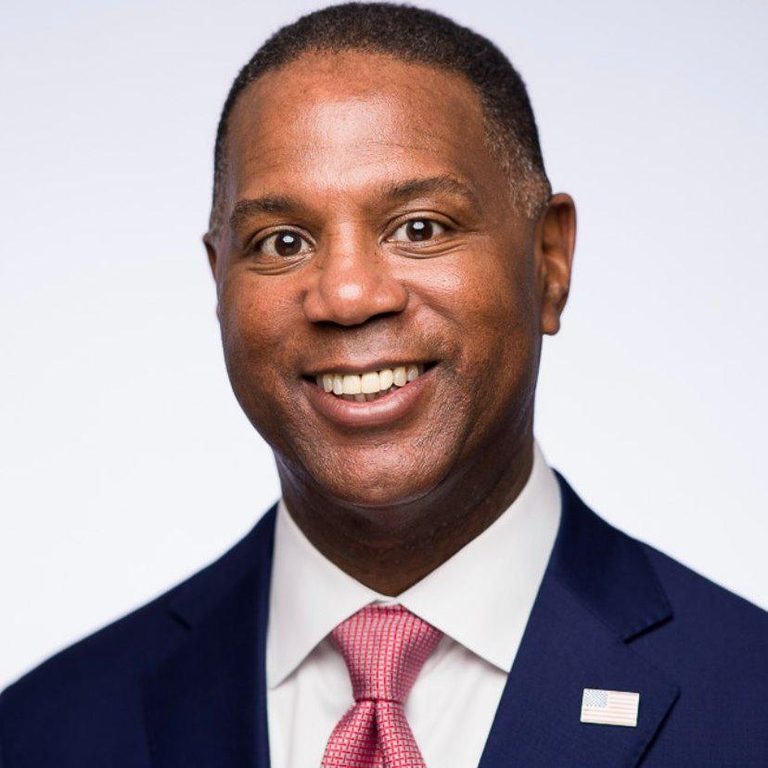
John Collins, director of Fulton County Accountability Court, said the designation reflects the dedication of judges, staff and partners who make the programs successful.
The Model Court label also carries a practical role. Under the CACJ program, designated courts serve as peer mentors for newer courts across Georgia, sharing materials, answering operational questions and hosting site visits. Georgia's state-funded accountability courts are required by statute to follow CACJ standards, and the council monitors compliance through certification and peer review.
The accountability court system has operated in Fulton County since 1998, according to the January 2025 Fulton County news release, which lists a Drug Court, the Behavioral Health Treatment Court and the Veterans Treatment Court as the Superior Court's original programs. The Recovery Treatment Court — the fourth program in the county's current lineup — is run by the State Court of Fulton County and was formerly known as the DUI Treatment Court before its recent rebrand.