Mosquito traps across Fulton County have tested positive for West Nile virus as the disease hits its annual peak, prompting health officials to urge Sandy Springs residents to take precautions.
The Georgia Department of Public Health confirmed that traps in Fulton, DeKalb and Chatham counties tested positive for the virus this year, the Georgia Recorder reported Thursday, Sept. 10. Four human cases have been reported statewide so far in 2026, according to the CDC.
No Sandy Springs parks have been named among the positive trap sites. But multiple locations across Fulton County have turned up positive results, including parks in Roswell, South Fulton and Atlanta neighborhoods. The Fulton County Board of Health notified Roswell on Sept. 1 that traps at Roswell Area Park and Garrard Landing Park tested positive. CBS News Atlanta reported Aug. 27 that traps at Orme Park, Frankie Allen Park, Welcome All Park and the Adamsville Regional Health Center also tested positive, along with earlier detections at Old National Park and in Atlanta's Grant Park neighborhood.
The CDC says West Nile diagnoses typically peak in late August and early September. About 2,000 people are diagnosed nationally each year, though most infections produce no symptoms. The 2026 season has been the worst early start in more than two decades, with 23 states reporting activity, Medical Daily reported.
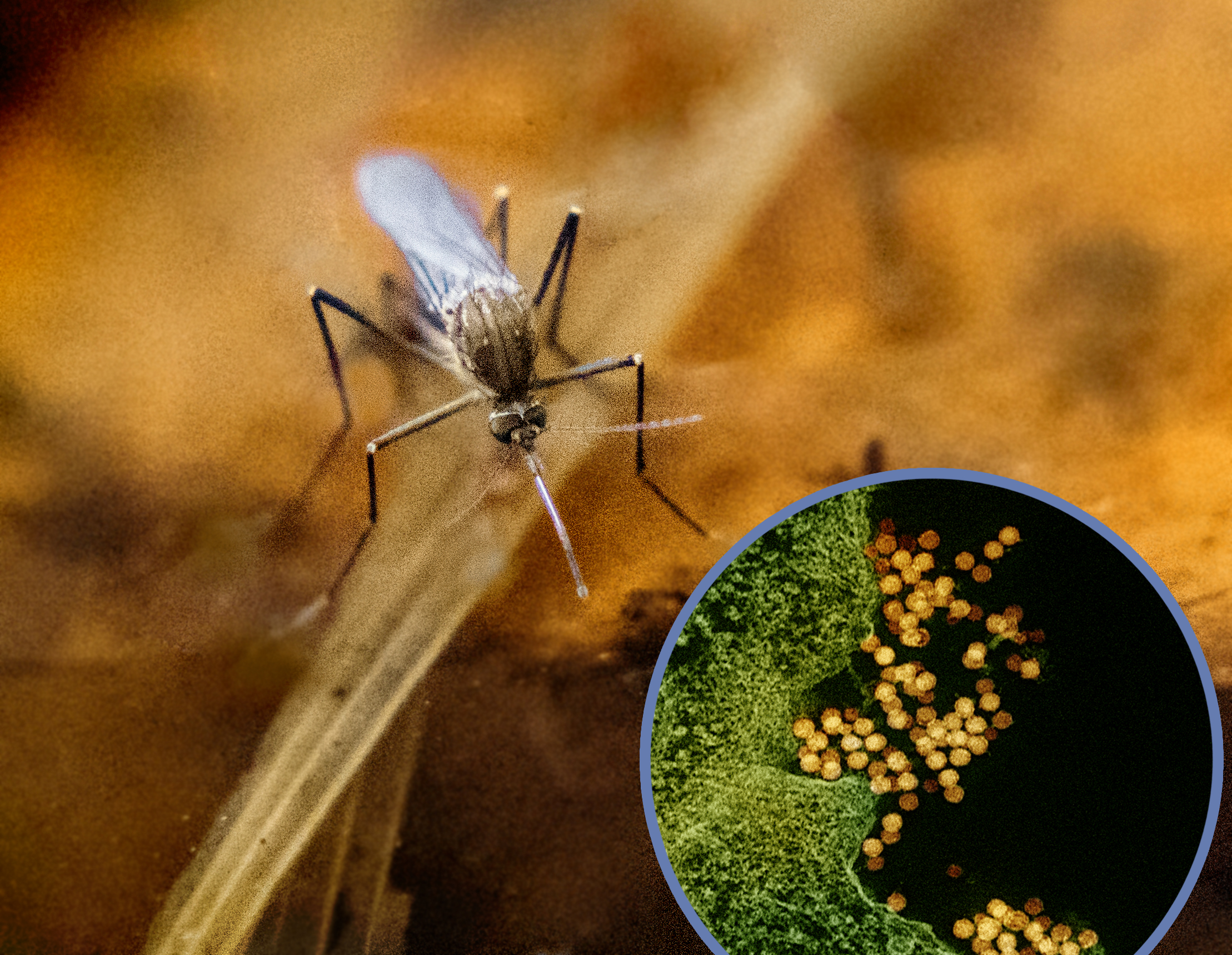
West Nile is the most common mosquito-borne disease in the country. It spreads through Culex mosquitoes, which are most active between dusk and dawn. There is no vaccine.
Most people who contract the virus never show symptoms. About 20% develop flu-like illness, according to the CDC. A small number develop severe complications affecting the central nervous system, including encephalitis or meningitis, which can be fatal.
Dr. Robin Dretler, an infectious disease specialist at Emory Healthcare and a board member with the Infectious Diseases Society of America, told the Georgia Recorder that people over 50, organ transplant recipients and those with cancer or diabetes face the greatest risk of severe illness.
"If you start to get conjunctivitis (pink eye), stiff neck, confused, weakness in the legs, those are signs that you may be going on to one of the severe complications and need to be seen right away," Dretler said.
Elmer Gray, a University of Georgia public health specialist who studies mosquito control, said the virus kills about 130 people a year nationally. Gray called them "preventable deaths" from a mosquito-control standpoint and said the most important step residents can take is eliminating standing water in yards and neighborhoods, since mosquitoes need water to breed.
Georgia DPH spokesperson Nancy Nydam Shirek said residents should dump any container that collects rainwater, including flower pots, kiddie pools, buckets and old toys, after each storm or at least weekly. Gray also recommended wearing loose-fitting, light-colored clothing and using EPA-approved insect repellent.
Residents with questions can contact the Fulton County Board of Health's Environmental Health Department at 770-520-7500 or visit the Fulton County Board of Health's mosquito page.