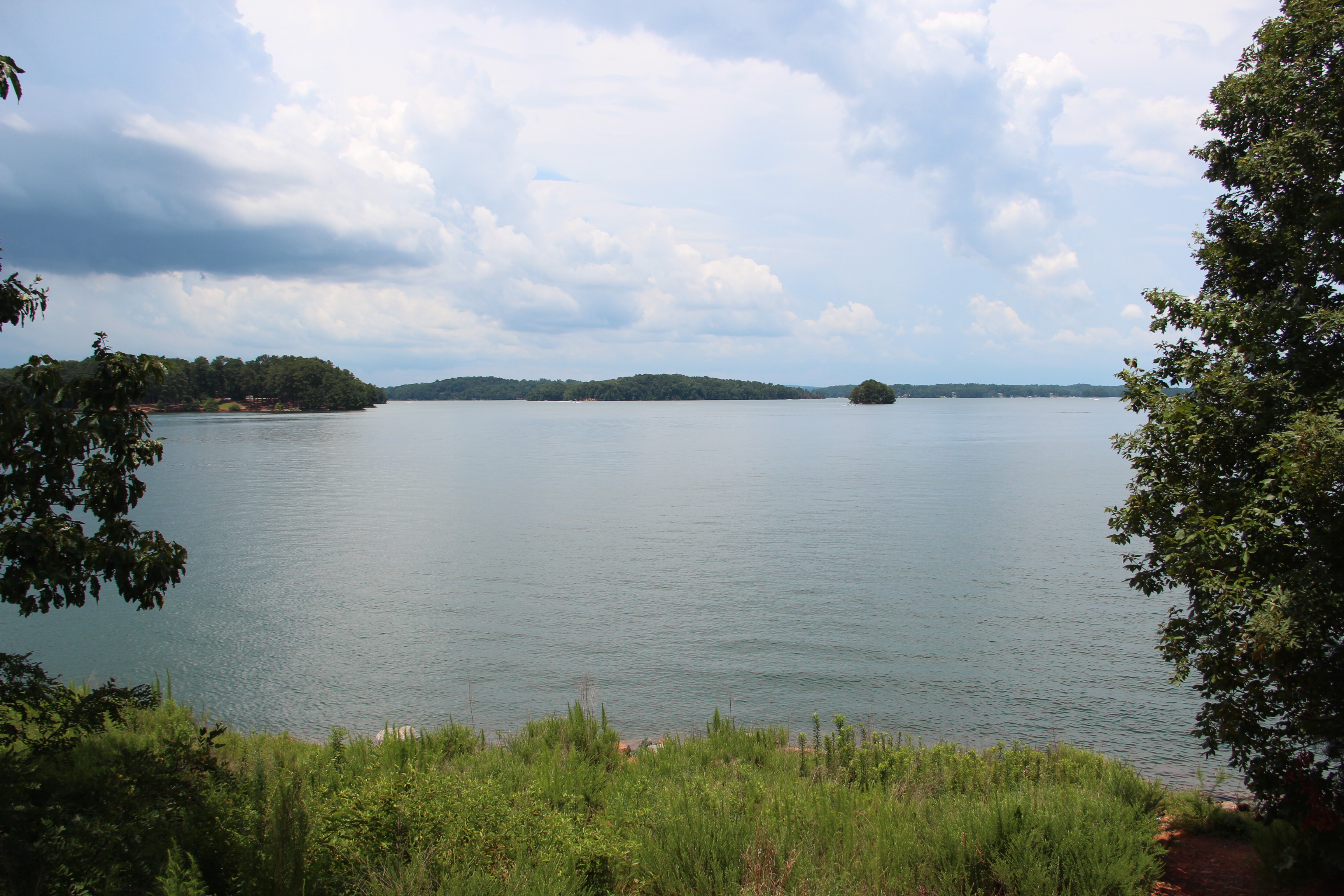
The U.S. Army Corps of Engineers began its latest round of drought operations Monday, Nov. 2, as Lake Lanier reached its lowest level since January 2017, according to regional reporting.
The reservoir stood at 1,062.74 feet above sea level at 6 a.m. Nov. 5, according to Corps data. That was 8.26 feet below the commonly cited 1,071-foot full-pool benchmark. Lake levels fluctuate as water enters and leaves the reservoir.
Lanier supplies the Chattahoochee River, which flows through Sandy Springs. Releases support downstream drinking-water intakes and water quality, including a minimum flow of 750 cubic feet per second at Peachtree Creek, according to the Lake Lanier Association.
Why the lake has fallen
A prolonged rainfall shortfall has reduced the water available to replenish Lanier.
In the association’s fall assessment, vice president and secretary Clyde Morris used National Weather Service data to calculate Gainesville’s rainfall from August 2024 through August 2026.
Over those 25 months, Gainesville received approximately 92.2 inches, compared with a historical average of 111.4 inches. That left a deficit of about 19.3 inches, or 17%.
The shortfall deepened in 2025 and the first eight months of 2026. Wetter periods provided temporary relief, including September 2024, when rainfall totaled 10.22 inches largely because of Hurricane Helene.
When inflows remain below the releases needed downstream, the reservoir loses water. Morris cautioned that no single lake elevation automatically triggers refilling.
How drought operations work
The Corps manages Lanier as part of the Apalachicola-Chattahoochee-Flint basin, alongside West Point and Walter F. George reservoirs.
Drought decisions depend on combined reservoir storage and operating rules across that system. Conservation measures allow more incoming water to be retained while maintaining required downstream flows.
The November change follows earlier drought operations in the basin. The Corps announced in May that federal ACF drought operations had begun May 1.
What Sandy Springs residents should know
Georgia remains under a statewide Level 1 drought response, according to the Environmental Protection Division’s current guidance.
Level 1 requires public water systems to communicate drought conditions and encourage conservation. The normal landscape-watering schedule remains in effect, generally allowing irrigation before 10 a.m. and after 4 p.m., with exceptions for certain uses.
Boaters should check access before traveling to Lanier. The Corps’ recreation-status directory, updated Nov. 3, lists the Belton Bridge boat ramp as closed but does not identify a cause.
The directory covers Corps-managed facilities. Visitors should contact private marinas and other park operators directly about their conditions.
Residents can follow reservoir levels and forecasts through the Corps’ ACF water-data page.