Sandy Springs will spend $223,750 to figure out how to make Roswell Road safer for the people who walk, bike, and drive along its busiest retail stretch.
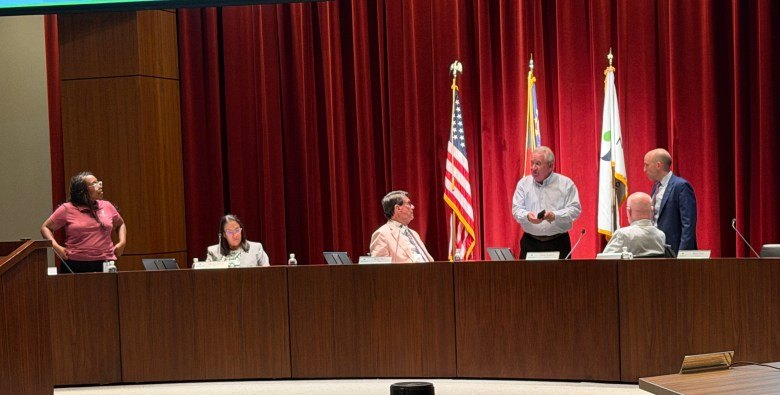
The City Council voted Tuesday, July 21, to hire engineering firm Gresham Smith to study the State Route 9 corridor between Hammond Drive and Cliftwood Drive, just north of Interstate 285. The segment is lined with restaurants, shops, and small businesses, and it includes the city's second-most dangerous intersection at Cliftwood Drive, according to a city memo presented at the meeting.
Public Works Director Marty Martin said the study will produce specific safety recommendations the city can use to apply for federal funding from the Atlanta Regional Commission and the Georgia Department of Transportation. Martin said the project will evaluate access management treatments at key locations along the corridor and produce a comprehensive implementation plan.
The corridor's crash record is stark. Between 2020 and 2024, Roswell Road accounted for more than one-third of all 11,649 crashes on Sandy Springs surface streets, according to a Transportation Master Plan study by Modern Mobility Partners. The road also saw more than 40 percent of the city's pedestrian crashes during that period, including two pedestrian fatalities.
Because GDOT controls Roswell Road, Sandy Springs cannot make physical changes to the state highway on its own. The engineering study gives the city the documented analysis it needs to bring specific projects to the state and to federal grant programs.
The city's fiscal year 2027 budget includes a separate $500,000 line item for a Roswell Road Safety Project covering the same Cliftwood-to-Hammond stretch, according to budget documents. The relationship between that construction funding and the study's timeline has not been publicly detailed.
Council Member Andrew Chinsky, who has pushed for multimodal investment on the corridor, said at a June 16 council meeting that the city needs to "provide people other ways to get around and also help people stop driving through Sandy Springs," rather than continuing to spend heavily on car-oriented infrastructure.
Nearly 8 percent of Sandy Springs households lack access to a personal vehicle, making sidewalk and crossing improvements along commercial corridors like Roswell Road a workforce access issue, the Transportation Master Plan study found.
Other action from the July 21 meeting
Council Member Melody Kelley raised the possibility of using public-private partnerships to redevelop aging North End shopping centers, asking comprehensive plan consultants whether commercial development could be leveraged to add recreational green space. Consultants said they are exploring incentives for green space and connectivity in those older commercial areas.
The council also approved a $597,900 contract with Cobb County-based Wade Ford for 12 new police SUVs and a $150,000 sidewalk gap-fill on Glenridge Drive south of I-285, split with the Perimeter Community Improvement Districts.