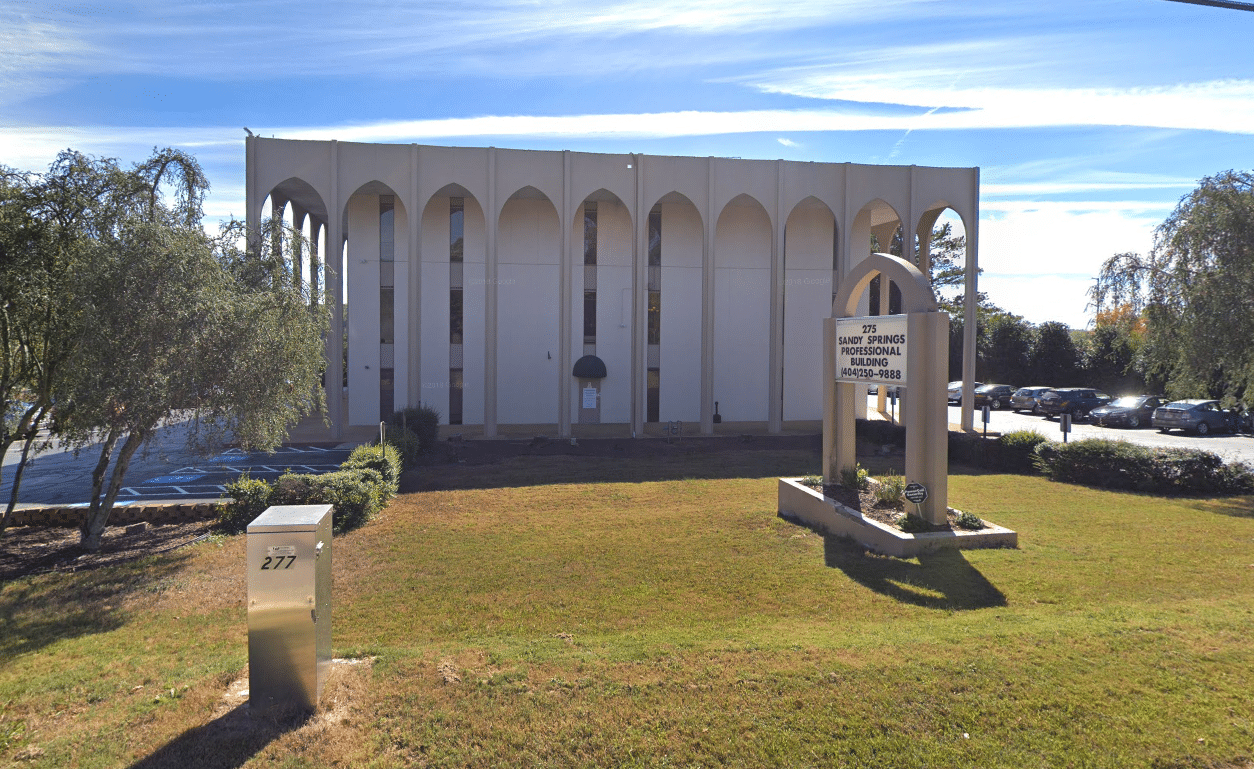
A bomb that ripped through a Sandy Springs medical building on January 16, 1997, injured four people with shrapnel and caused blast effects to more than 50 others. Nearly 30 years later, former FBI officials say the case permanently changed how the bureau coordinates with local law enforcement.
The attack at the Sandy Springs Professional Building, which housed the Atlanta Northside Family Planning Services, was part of a series of four bombings carried out by Eric Robert Rudolph between 1996 and 1998. The broader series is back in the spotlight as the 30th anniversary of the Centennial Olympic Park bombing approaches on Monday, July 27. The Sandy Springs clinic bombing's own 30th anniversary falls on January 16, 2027.
A bomb designed to kill first responders
According to U.S. Department of Justice records, the Sandy Springs attack was a double bombing. The first device exploded at the back of the building, causing significant damage. About an hour later, a second bomb detonated in the parking lot, deliberately targeting the medical personnel, firefighters, and police officers who had rushed to help.
"This bomber placed secondary bombs designed to kill and maim rescuers, paramedics, firefighters and police officers who rushed to the scene to help. He didn't care who they were," then-ATF Director John W. Magaw said in October 1998, when federal authorities formally charged Rudolph.
The Sandy Springs bombing is the only one of Rudolph's four attacks that took place within what is now the city of Sandy Springs.
The broader series
The first bombing in the series struck Centennial Olympic Park on July 27, 1996, killing spectator Alice Hawthorne and causing the death of Turkish television cameraman Melih Uzunyol, who suffered a fatal heart attack while responding. More than 100 others were injured at the park. Rudolph went on to bomb the Otherside Lounge in Atlanta on February 21, 1997, and an abortion clinic in Birmingham, Alabama, on January 29, 1998, killing police officer Robert Sanderson.
Security guard Richard Jewell, initially hailed as a hero for spotting the Olympic Park bomb and helping clear the area, became the FBI's prime suspect and endured intense media scrutiny before being cleared. Rudolph's 2005 guilty plea confirmed Jewell had no involvement. The Jewell episode became a cautionary tale about the FBI's handling of public investigations.
How the case changed the FBI
WSB-TV's Jorge Estevez reported Thursday, July 23, that former FBI officials say the high-profile case forced the bureau to overhaul how it manages investigations and coordinates with local agencies.
Chris Swecker, the former FBI executive who headed the bureau's Charlotte office when Rudolph was captured, said the task force's strategy of actively involving local law enforcement proved critical. The investigation was led by the Southeast Bomb Task Force, which included the FBI, ATF, the Georgia Bureau of Investigation, and federal prosecutors from the U.S. Attorneys Offices in Birmingham and Atlanta.
Swecker said the sustained pressure on Rudolph likely prevented additional attacks. Rudolph eluded a massive manhunt for more than five years, hiding in the Appalachian wilderness of western North Carolina. A rookie police officer in Murphy, North Carolina, arrested him on May 31, 2003. In April 2005, Rudolph pleaded guilty to all charges and accepted four consecutive life sentences without parole. He was sentenced to serve his time at ADX Florence, a federal supermax prison in Colorado.