A Georgia mother donated part of her liver to save her infant daughter's life, and has since become an advocate for organ donation in the Hispanic community.
Navarro, a Guatemala native, gave a piece of her liver to her firstborn daughter Julia. The baby had been diagnosed with biliary atresia, a rare disease in which bile ducts are scarred, blocked or missing at birth. Julia needed a transplant at four months old, but a donor liver never came.
Navarro stepped in as a living donor. Surgeons at Children's Healthcare of Atlanta (CHOA) and Emory performed the transplant when Julia was seven months old.
"I was able to be a living donor for her and give a piece of my liver to her and give her a chance at life," Navarro told 11Alive on Tuesday, Sept. 15, the first day of National Hispanic Heritage Month.
Julia is nine years old, paints and rides horses. Each year the Navarro family celebrates her "liver-versary," marking the day she received her transplant.
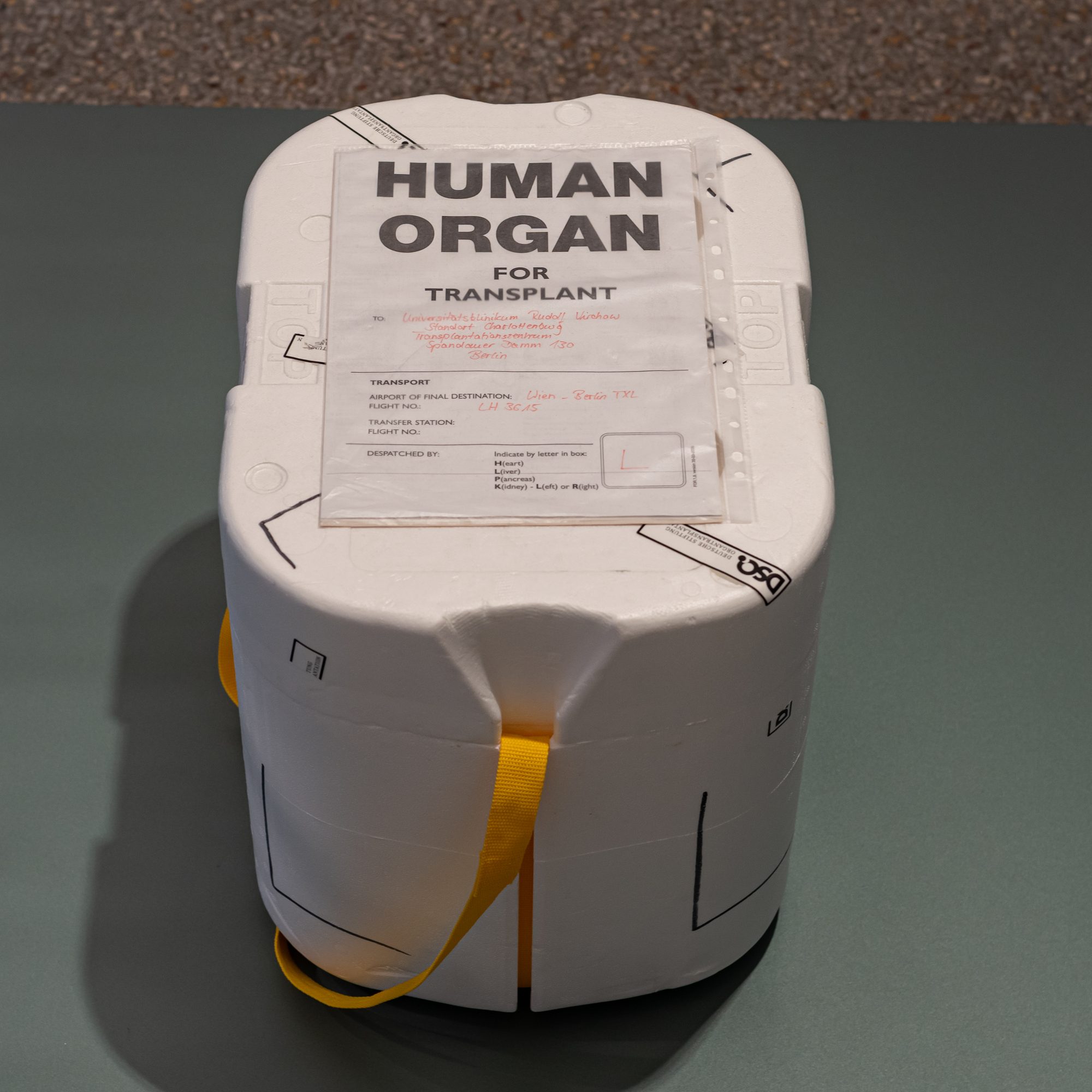
The experience turned Navarro into an advocate for organ donation in the Hispanic community. The gap between need and giving is stark. Hispanic and Latino patients make up 24% of all candidates on the national organ transplant waiting list but account for just 14% of all organ donors, according to the HHS Office of Minority Health. As of July 30, more than 26,400 Hispanic and Latino patients were waiting for a transplant, federal data from organdonor.gov shows. One registered donor can save up to eight lives, according to the Health Resources and Services Administration (HRSA).
Navarro has written a children's book called "Mighty Me: A Magical Journey of Courage, Love, and Strength" to share Julia's story. Julia's artwork has also been auctioned to raise money for organ donation awareness.
The Navarros also run BA Hero, a nonprofit whose mission is connecting and empowering families affected by biliary atresia through education and advocacy, according to the organization's website. Fox 5 Atlanta reported on the family's work in March 2024.
In that March 2024 interview, Navarro described Julia's earliest symptoms: "Her skin was yellow, eyes yellow, she was not gaining much weight, not meeting milestones."
Biliary atresia is the leading cause of liver transplantation in children. A living-donor transplant is possible because the liver is the only organ that can regenerate, according to CHOA. The hospital's liver transplant program has operated since 1990 and is one of the highest-volume in the country.
More than 109,800 people across the United States are waiting for organ transplants. Hispanic Heritage Month runs through Oct. 15. Sept. 15 also marks the anniversary of independence for Guatemala, Navarro's home country, along with Costa Rica, El Salvador, Honduras and Nicaragua.