The Fulton County Board of Health issued a heat safety advisory Thursday, July 16, urging outdoor workers to take breaks in shade, drink water every 15 to 20 minutes, and learn the signs of heat stress. In Sandy Springs, where construction crews on the $4.6 billion SR 400 Express Lanes project are working around the clock through their first full summer on the corridor, no federal or Georgia state law specifically requires their employers to protect them from heat.
Georgia averages 20 extreme heat days per year, defined as temperatures at or above 90°F for two or more consecutive days, according to the Board of Health advisory. That's up from about 12 days per year in the 1960s, and the figure is projected to reach 50 by 2050.
The project
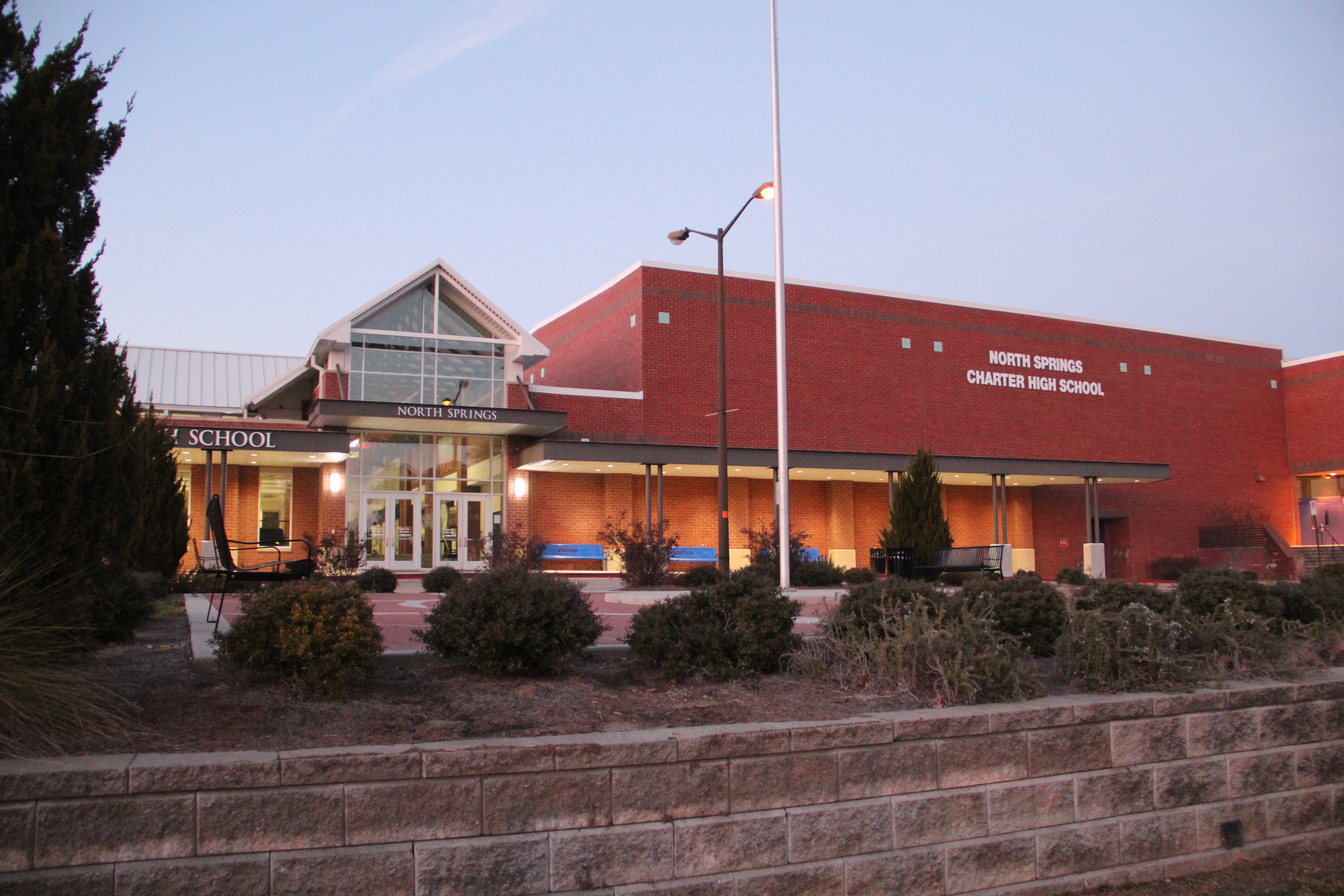
Heavy construction on the SR 400 Express Lanes began in July, with crews building two ground-level lanes in each direction along a 16-mile stretch from the North Springs MARTA station to southern Forsyth County. The Sandy Springs subsegment is projected to open in February 2031.
Sandy Springs Mayor Rusty Paul described the pace at the City Council retreat in February: "You're going to be operating there 24/7 for four years, that's going to be an intolerable situation for people who live there."
That 24/7 schedule means workers are on-site during peak heat hours. The Board of Health recommends limiting outdoor activity between 10 a.m. and 4 p.m.
SR 400 Peach Partners, the consortium led by Madrid-based Acciona, Paris-based Meridiam, and Virginia-based Parsons, holds a 56-year contract to design, build, operate, and maintain the lanes. CEO Javier Gutierrez told the City Council in February that the consortium had raised over $11 billion in total financing for the project's full lifecycle, including a $3.9 billion federal loan and $120 million state contribution.
No law on the books
Georgia has no state-level heat safety standard for workers. House Bill 1071, the Georgia Workplace Safety and Heat Protection Act, was introduced January 28 but died in the House by February 2, according to the Georgia General Assembly's legislative tracker. Only eight states have official heat safety requirements.
At the federal level, OSHA's proposed Heat Injury and Illness Prevention Standard has stalled with no finalization date set. The agency relies on its General Duty Clause, which requires employers to keep workplaces free from recognized hazards likely to cause death or serious harm. OSHA expanded its Heat National Emphasis Program in April, increasing heat inspections from roughly 200 per year to approximately 2,400 through April 2031, according to federal regulatory records.
Nationally, nearly 28,000 workplace injuries each year are linked to hot weather, and nearly 400 workers have died from environmental heat exposure in the last decade, according to reporting by Scalawag Magazine.
Who's exposed in Sandy Springs
Beyond the highway, Sandy Springs's hospitality and service corridors along Roswell Road and Perimeter Center employ outdoor-exposed workers in sectors HB 1071 identified as disproportionately affected by extreme heat: construction, landscaping, manufacturing, and warehousing.
Statewide, about 2,400 Georgians visit emergency departments or are hospitalized for heat-related illness each year, and about 20 die, according to the Board of Health.
What workers and residents can do
The Board of Health advises workers to drink water every 15 to 20 minutes, take breaks in shade or air conditioning, and watch for confusion, loss of consciousness, or seizures, which signal heat stroke and require a 911 call. Employers are directed to provide training, water, rest, and shade.
Residents can call 211 to locate nearby cooling centers. The full Heat Safety Guide is available at fultoncountyboh.com.