Georgia health officials confirmed three additional measles cases in Macon County on Oct. 27, bringing the state’s 2026 total to 25.
All three individuals were unvaccinated and had close contact with a person whose infection was confirmed Oct. 12, according to the Georgia Department of Public Health. DPH said it has notified others who may have been exposed.
The statewide total is more than double the 10 cases recorded in all of 2025. Georgia reported six cases in 2024 and none in 2022 or 2023, according to state surveillance data, updated Oct. 27.
The earlier Macon County patient had no known travel history but had contact with an infected person from Pennsylvania, 41NBC reported. Pennsylvania has reported more than 1,300 measles cases this year.
The investigation also prompted an Oct. 19 public exposure notice for a LongHorn Steakhouse at 100 Hampton Court in Perry. An infectious person visited the restaurant Oct. 7, and officials identified a potential exposure window from 7 to 10 p.m. The monitoring period specified in that notice ended Oct. 28.
State officials have not disclosed the three new patients’ ages or whether they required hospitalization, Fox 5 Atlanta reported.
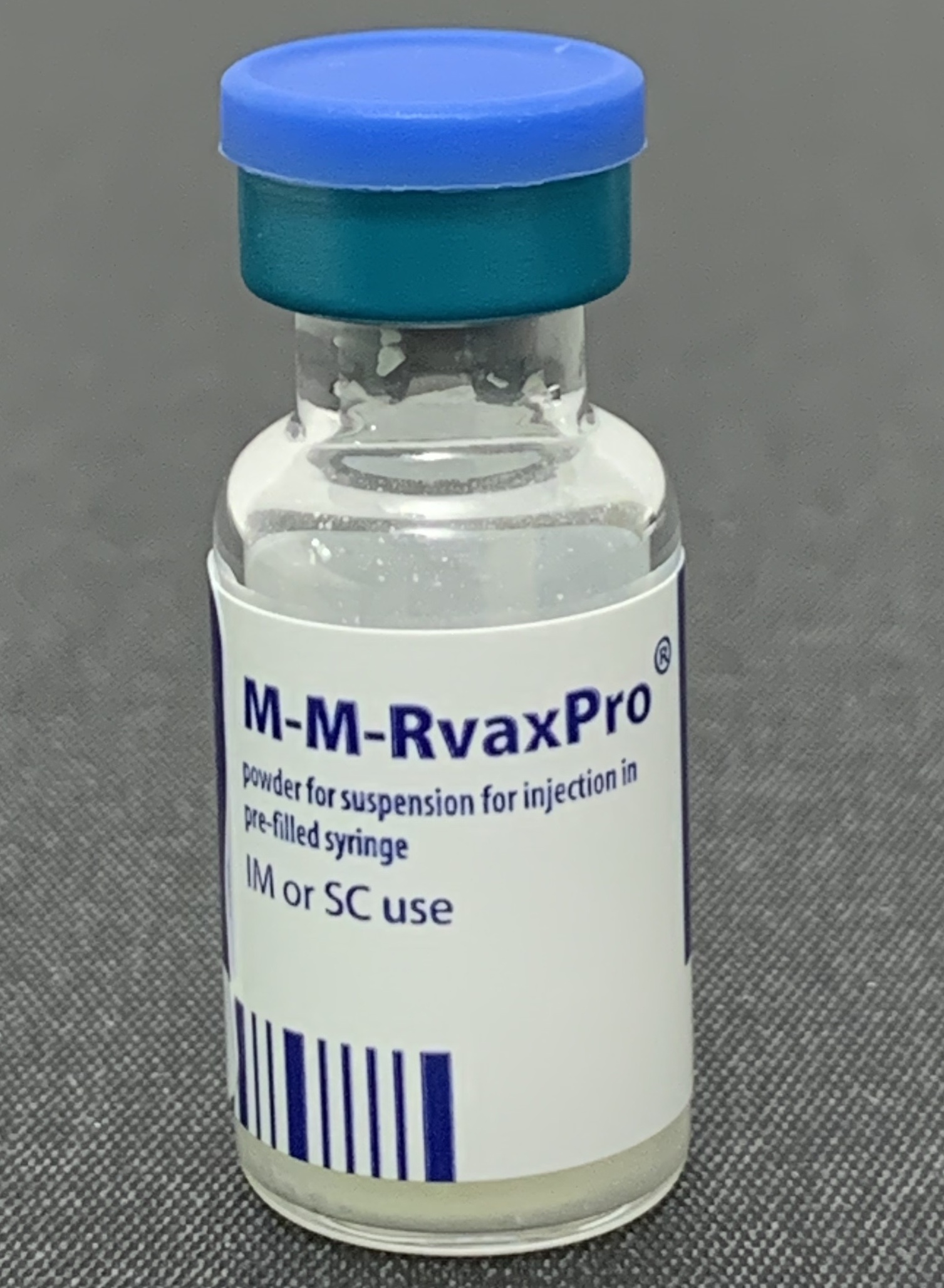
Vaccination remains the best protection against measles. One dose of the measles, mumps and rubella vaccine is about 93% effective against measles, and two doses are about 97% effective. The CDC recommends routine doses at 12–15 months and 4–6 years. Parents should discuss vaccination questions with their child’s healthcare provider.
Some people vaccinated before 1968 may need revaccination. That recommendation applies to those who received the older inactivated vaccine or do not know which type they received. People with documentation of a live measles vaccine from that period do not need another dose solely because it was given in the 1960s, according to CDC guidance.
Measles can cause serious complications, including pneumonia and brain swelling. Children younger than 5, adults older than 20, pregnant people and people with weakened immune systems face higher risks, the CDC says.
Symptoms include high fever, cough, runny nose and watery red eyes, followed by a rash. Anyone with suspected measles should contact a healthcare provider immediately and call ahead before visiting a medical facility so staff can take precautions to protect other patients.