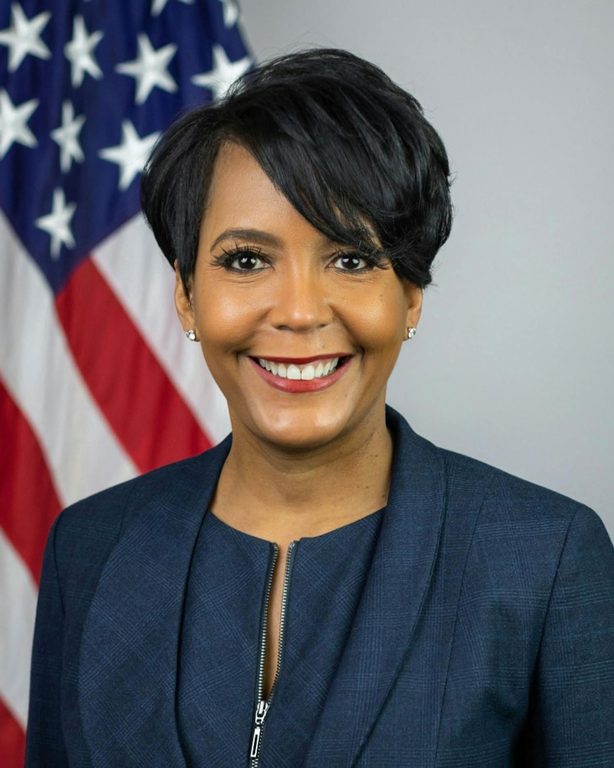
Republican Rick Jackson is running for Georgia governor against Democrat Keisha Lance Bottoms in the Nov. 3, 2026, general election.
Jackson, a healthcare businessman who has not held elected office, founded Jackson Healthcare. His campaign biography describes businesses generating more than $3 billion in annual revenue. He also founded a foster-care nonprofit and has served as chairman of FaithBridge Foster Care.
Income taxes and household costs
Jackson’s Action Plan proposes cutting Georgia’s income tax in half during his first term, eliminating state income tax on tips and suspending the state gas tax during major price shocks. It calls for spending discipline and revenue safeguards but does not provide a complete fiscal estimate.
He also proposes stronger notice, public hearings and recorded votes before local property-tax increases. Another campaign webpage promises an immediate property-tax freeze. The differing descriptions leave the exact scope of his intended legislation unclear.
Tax changes would require legislative approval. A governor could not independently freeze every city, county or school district’s tax bill. Residents’ savings would depend on the law adopted and their individual circumstances.
Healthcare and Medicaid
Jackson supports expanding coverage for low-income working adults through a Georgia-designed Medicaid waiver. His plan recognizes work, education, training, caregiving and treatment while emphasizing eligibility checks and the use of private or employer coverage where appropriate.
The plan also calls for rural healthcare investment, insurance accountability and price transparency. Medicaid changes would depend on state financing, legislative action where required and federal approval. The published plan does not establish a verified enrollment total or complete state cost estimate.
Education and tuition
Jackson proposes stronger early literacy instruction, teacher-pay increases and a freeze on tuition, room and board at public colleges and technical schools. He also supports educational choice.
Funding changes would require appropriations. University System tuition decisions involve the Board of Regents, which has constitutional authority over the system; a governor could advocate a freeze but could not set every charge alone.
Government accountability and public safety
Jackson calls for spending audits, stronger conflict disclosures and term limits. He has not defined all offices covered by the term-limit proposal. His agenda also emphasizes law enforcement, crime-laboratory capacity and responses to trafficking.
Jackson favors cooperation with federal immigration enforcement. Federal authorities, rather than a governor acting alone, administer deportation proceedings.
For local families, the proposals could affect take-home income, healthcare access and education costs. Their combined effects depend on funding and the policies ultimately enacted.
Source note: This profile draws on Jackson’s public campaign biography and policy materials. Campaign projections and proposals are attributed to the campaign.
The Sandy Springs Record did not receive a direct questionnaire response from the candidate and does not endorse candidates.