Federal agencies can search Sandy Springs' roughly 400 Flock Safety plate readers without warrants or local approval, a peer-reviewed analysis published Oct. 1 argues.
Henry F. Fradella, a criminal procedure scholar at Arizona State University, makes the case in the analysis, first reported by Fulton Neighbor, that the problem with Flock's automated license plate reader network goes beyond individual officers who misuse it. "The controversy over ALPRs points to a defect in the surveillance system's architecture, not just the criminality of some of its users," Fradella wrote.
The city spent more than $400,000 with Flock in 2024, according to public records obtained by Appen Media. Sandy Springs Police Maj. Mike Lindstrom told the city council in June that the city operates about 400 plate readers.
Federal agencies tapped local cameras
Fradella's analysis details how agencies that never bought Flock cameras can still query the network. In 2025, U.S. Customs and Border Protection accessed more than 80,000 Flock cameras nationwide during an undisclosed vehicle-tracking pilot. One police department's cameras were included without its knowledge.
Appen Media identified 10 searches Sandy Springs police made of a Danville, Illinois, department's Flock network on behalf of ICE's Enforcement and Removal Operations in March 2025. Sandy Springs officials told Appen Media they were not aware of any recent assistance the department had given for those efforts.
A police representative said the officer who made the searches is a detective assigned to the department's FBI task force.
A separate 2026 study found 11,935 immigration-related searches in partial records from eight college police departments. Federal immigration agencies sometimes accessed campus camera data without campus officials' knowledge, according to Fradella's analysis.
What the cameras capture
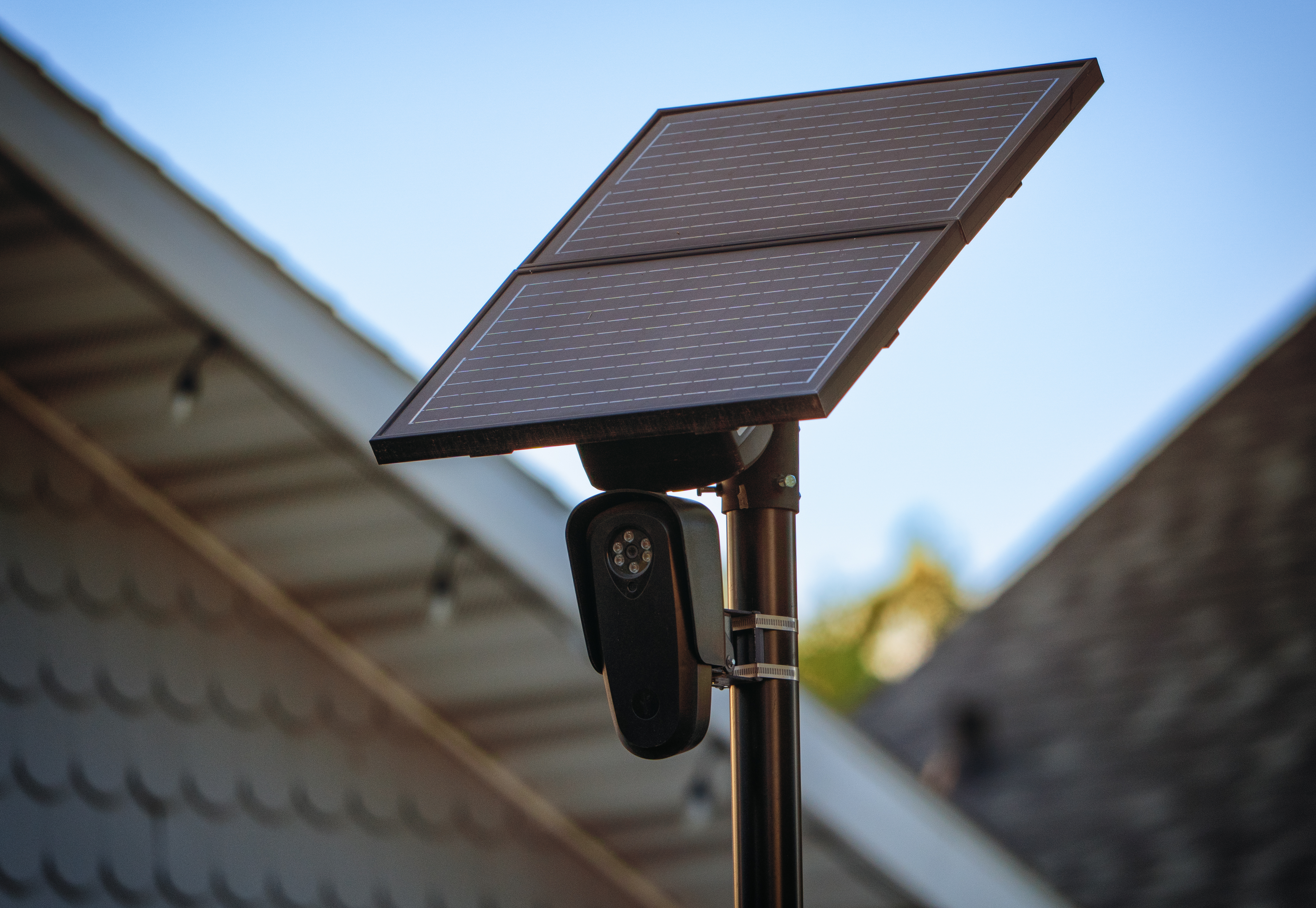
Flock cameras record a vehicle's plate, location and distinguishing marks down to dents or bumper stickers. Officers across the network can search the data without warrants or supervisory approval, Fradella wrote.
In September 2026, Wired and 404 Media analyzed data hackers had copied from a single Flock camera. About 21 days of logs contained roughly 50,200 vehicles and 1.6 million images. The software detected people and bicycles and isolated an American flag patch on a motorcyclist's saddlebag.
Flock announced new safeguards in August 2026, shortening its recommended data retention from 30 days to seven and requiring case codes to document searches. Fradella noted that customers may keep data longer, emergencies can bypass case codes, and entering a case number requires no judicial approval.
Misuse cases in Georgia and beyond
Sandy Springs has dealt with its own Flock problems. Reserve Sgt. Francis Esposito was terminated in August 2025 after an internal investigation found he allegedly used the city's Flock network to help develop a surveillance product for a commercial data platform called Signal 8, Appen Media reported.
The Washington Post identified at least 100 police department employees nationwide charged with or accused of Flock misuse as of September 2026. In Hall County, an audit of 758 Flock searches flagged 85 as suspicious. Seven employees left the department, according to 11Alive.
State Sen. John Albers, a Roswell Republican who chairs the Senate Public Safety Committee, said in an August interview with WABE that he was joining a task force to explore whether legislation is needed. "Like every citizen in our state, we're concerned about the abuses that have taken place," Albers said.
Supreme Court ruling adds legal pressure
The U.S. Supreme Court's 6-3 ruling June 29 in Chatrie v. United States held that police conduct a Fourth Amendment search when they access historical cell phone location data, even from a third-party company. Politico reported the decision extends privacy protections to data people share with tech firms.
Fradella argues that Flock's database can reconstruct a driver's movements in much the same way cell-tower records track a phone. Two earlier court rulings that upheld plate-reader programs predate the Chatrie decision and may need to be reconsidered, his analysis states.
He recommends requiring warrants for regional or national Flock searches, restricting immigration and reproductive-health queries, switching interstate data sharing from opt-out to opt-in, and mandating independent audits of search logs.
No Sandy Springs official has publicly responded to Fradella's analysis. The Georgia task force Albers joined has not announced a hearing date or proposed legislation.