Sandy Springs families who donate to private school scholarship funds can claim a new dollar-for-dollar federal tax credit starting Jan. 1, 2027.
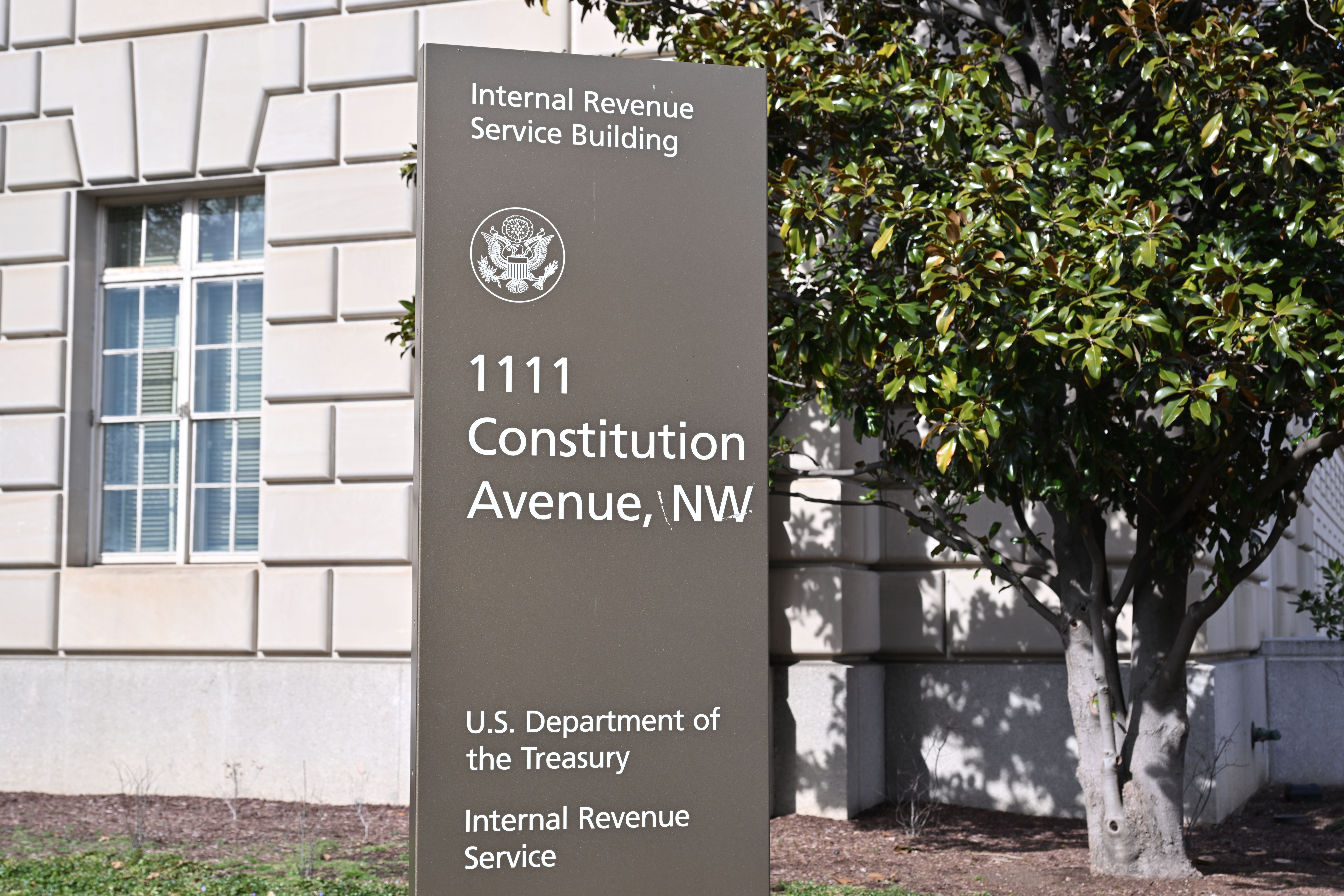
The U.S. Department of the Treasury and the Internal Revenue Service (IRS) released proposed regulations Thursday, Oct. 1, for the Education Freedom Tax Credit. Congress created the credit under Section 25F of the tax code through the One Big Beautiful Bill Act, signed July 4, 2025.
The Treasury's announcement sets the credit at up to $1,700 per individual taxpayer, or up to $3,400 for married couples filing jointly.
Georgia is among 30 states that have opted into the program, according to the IRS. That makes students at Sandy Springs private schools, including Holy Innocents' Episcopal School, Mount Vernon Presbyterian School, The Epstein School, Atlanta Jewish Academy and The Weber School, potential scholarship recipients.
The credit applies to cash donations made to approved Scholarship Granting Organizations (SGOs), nonprofits that distribute the money as K-12 scholarships. Those scholarships can cover tuition, tutoring, books, computers, special-needs services and other qualifying education expenses, according to the Treasury.
Who qualifies
Students are eligible if they can enroll in a public elementary or secondary school and their household income falls below 300% of their area's median gross income. Treasury estimates approximately 96% of children in participating states would qualify.
Children already enrolled in needs-based government programs such as nutrition assistance would qualify automatically, with no extra paperwork.
SGOs must be 501(c)(3) nonprofits that spend at least 90% of their income on scholarships, serve at least 10 students across multiple schools and undergo annual audits, The Educators Room reported. Donors cannot earmark contributions for a specific student, according to EdChoice, a school-choice research organization.
How it works with Georgia's state credit
Sandy Springs schools already use Georgia's existing state scholarship tax credit. Mount Vernon Presbyterian, for example, partners with GOAL Georgia Scholarship Program for that state credit, according to the school's website.
The new federal credit adds a layer. Donors who qualify for both a state and federal scholarship credit get a taxpayer-favorable ordering rule, but cannot claim both credits on the same dollar, according to EdChoice. Contributions above the $1,700 or $3,400 credit cap may still qualify for a federal charitable deduction.
The credit is nonrefundable.
Unused credits carry forward for up to five years. Only cash qualifies; cryptocurrency donations are excluded, The College Investor reported.
What's next
States must finalize their opt-in by Jan. 1, 2027. Georgia and the other 29 participating states must submit their approved SGO lists to the IRS by Feb. 15, 2027.
Tommy Schultz, CEO of the American Federation for Children, told Fulton Neighbor the guidance "marks another major step toward making the Education Freedom Tax Credit a reality for families across America."
Public comments on the proposed regulations are due Dec. 1, 2026.